The Average Age of Menopause
The average age of menopause is 51.
Most women go through menopause when they are between 45-55 years old, and about 1% of women go through menopause before the age of 40.
| Typical Age Range of Menopause | 45-55 years old |
| Late Menopause | 55-60 years old |
| Early Menopause | 40-45 years old |
| Premature Menopause | Puberty-40 years old |
What It Means
To say that the average age of menopause is 51 does not mean that at 51, the average woman stops menstruating.
Menopause is defined as the date when a woman has gone for one full year without having her period.
And even that can be misleading, because the beginning of menopause takes place years before. It is a biological process which your body takes years to lead up to.
Typically, when women are between the ages of 30-40, their hormones begin to change, and they begin experiencing some of the signs of menopause. When this occurs, she is in premenopause.
One of these symptoms of changing hormones is irregular periods- including skipping periods for a month or more, and heavier or lighter blood flow. Women will experience irregular periods for years leading up to menopause.
When Will YOU Reach Menopause?
There are many factors which determine when we, as individuals will reach menopause. You may or may not fall into the average age of menopause.
Some of the factors that affect your body are genetic and some of them are lifestyle choices.
Here are some factors that will influence your date of menopause. These factors make menopause come earlier. Find out more about how to delay your age of menopause.
- Smoking
- Eating disorders
- Chronic stress
- Obesity
- Malnourishment
- Hysterectomy
- Chemotherapy/radiation
- Premature oviarian failure
Your Progesterone Level
The first change in hormones that women experience will be a drop in her progesterone level.
This low progesterone level will create a hormonal imbalance that will lead to the following symptoms of low progesterone:
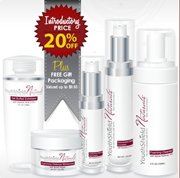
Progesterone cream is an excellent treatment during this time. It can balance your hormones, moisturize your skin, and prevent the above uncomfortable symptoms.
It's easy to use, too. You simply rub the cream on your face, neck, arms, hands, or thighs twice a day. It's a good idea to use it at night before you go to sleep, as it can make you a little sleepy and help to get a good night's sleep!
Your Estrogen Level
After your body has gone through the first phase of dropping levels of progesterone, you'll enter the next phase: low levels of estrogen.
A low estrogen level will lead to the following symptoms:
- Hot flashes & night sweats
- Fatigue
- Joint pain
- Vaginal dryness
- Headaches
- Loss of libido
- Hair loss and thinning hair
Whenever you reach menopause, whether it's during the average age of menopause or not, you'll want to begin a treatment plan to help you from experiencing all of these unpleasant symptoms.
There are many ways to naturally increase your low level of estrogen.
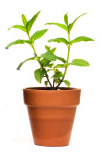
Herbal supplements contain plant estrogens that can give your body estrogen-like effects that will help to relieve your symptoms of menopause.
Many of these herbal supplements have been used for years by women around the world. They include:
Give them a shot!
There's not much to loose when it comes to trying herbal supplements because there are not many side effects, especially when you compare them to the other forms of menopause treatments!
Go from Average Age of Menopause to Estrogen Source Homepage
Copyright © 2009- 2015 Estrogen Source. All Rights Reserved.
The information on this site is my opinion only.
Consult your doctor before acting on any information found here.
Click here to read our Privacy Policy and Disclaimer.